🌿 Nutrigenomics DNA Testing — Personalised Nutrition Based on Your Genes

Unlock your body’s blueprint for energy, hormones, and long-term health.

You’ve done the diets. You’ve tried the supplements. But something’s still off.
Your energy, your hormones, your metabolism — they just don’t play by the same rules everyone else seems to follow.

That’s because your body isn’t “broken.”
It’s just genetically unique.

Through nutrigenomics testing, we can identify exactly how your DNA influences your nutrition, detox pathways, energy production, and hormone balance — and create a plan that works with your genes, not against them.

🧬 What Is Nutrigenomics?

Nutrigenomics is the science of how your genes interact with food, lifestyle, and your environment.
By analysing your genetic profile, we can pinpoint how your body:

  • Converts food into energy
  • Deals with stress
  • Processes toxins and oxidative stress
  • Regulates hormones and thyroid function
  • Handles cholesterol, blood sugar, and inflammation
  • Manages mood, focus, and sleep

This is personalised nutrition at its best — your biology, decoded.

💡 Perfect For You If You Want To:

  • Understand how your body really works
  • Improve your energy, metabolism, and resilience
  • Tailor your supplements and nutrition for your genetic profile
  • Move beyond generic “one-size-fits-all” advice
  • Finally get clarity on your hormones, thyroid, and energy patterns

👩‍⚕️ Why Work With Me

I’m a Functional Nutritional Therapist, Pharmacist, and a certified Lifecode Gx Practitioner.
That means I’m trained to interpret complex genetic reports in the context of your real-life health picture — thyroid, hormones, energy, stress and much more.

I've a Nutrigenomics Master Practitioner: Nervous System certification, having completed the Genes in Mind Master Programme. This enables me to dive deep into your nervous system and look at any imbalances that may exist between your genes and their environment.

Symptoms of neurotransmitter imbalance can include: mood imbalances, depression, mania, ADHD, OCD, bipolar, anxiety, addictive behaviours, autism, motor control disruption, anger, aggression and restlessness.

With Lifecode Gx training, I don’t just hand you a report — I translate your data into clear, actionable strategies that make sense in real life.

No fluff. No confusion. Just answers.

Lifecode Gx® offers a range of specialist nutrigenomics test panels which will tell you how your nutrition and lifestyle choices impact your genetic potential, so you can make positive changes that align with our genes to optimise health and well being.

⚙️ How It Works

  1. Order your test kit – it gets shipped straight to your door.
  2. Collect your sample – simple cheek swab (no needles, no drama).
  3. Receive your report – usually within 2–3 weeks.
  4. Book your 1:1 session – we’ll dive into your results and create your personalised action plan.

The following reports are available:

Nutrient Core Report

This test analyses how gene variants can affect food tolerance (and intolerance), appetite control and blood sugar balance, vitamin and mineral needs, detoxification ability, and susceptibility to inflammation and infection.

Nutrient Core will help you understand the fundamental genetic interactions with diet and lifestyle and indicate whether specific functions require further genetic testing. It includes genes that have been shown to affect:

  • food response - gluten (coeliac) and lactose intolerance
  • caffeine - sensitivity and metabolism
  • microbiome - diversity
  • vitamin need - vitamins A, B9 (folate), B12 (cobalamin), C, D and K
  • blood pressure - sodium-potassium balance & salt sensitive hypertension
  • detoxification - glutathione
  • metabolism - blood sugar control (insulin), appetite (leptin)
  • inflammation - specific (infection response) and systemic
  • circadian rhythm - early bird or night owl predisposition
Metals & Minerals Report

Mineral nutrients are chemical elements essential for human life. Distinct from vitamins, which are organic compounds made by plants and animals, minerals are inorganic and originate from rocks, soil or water. They are vital for providing structural support to bones and teeth, maintaining pH and fluid balance, enabling nerve conduction and muscle contraction, and supporting the function of hormones and enzymes, as well as the immune system.

Whilst essential minerals are necessary in adequate amounts for health, excessive intake and accumulation can be detrimental. Additionally, environmental heavy metals are toxic to humans and pose serious health risks.

Metals and minerals have complex interactions with one another as well as with vitamin metabolism. Genetic variants – as well as nutrition, age, gender and lifestyle habits – can affect the absorption, distribution and excretion of metals and minerals, impacting their balance and status in the body.

The Metals and Minerals Report presents elements of your DNA profile that have been shown to influence your need, status and metabolism of major and trace minerals, and heavy metals.

Metabolics Report

The Metabolics Report transforms our understanding of how genes confer metabolic individuality and underpin energy regulation, longevity and healthspan. 

Metabolism refers to all cellular chemical reactions and is essential for life. It involves many interconnected pathways that can be divided into ‘anabolism’ (‘build up’ e.g synthesis of sugars, fats, proteins and nucleic acids) and catabolism (‘break down’ e.g., releasing energy in the form of ATP). These complex processes, and the balance between them, are the key to energy metabolism and healthy cell structure and function. 

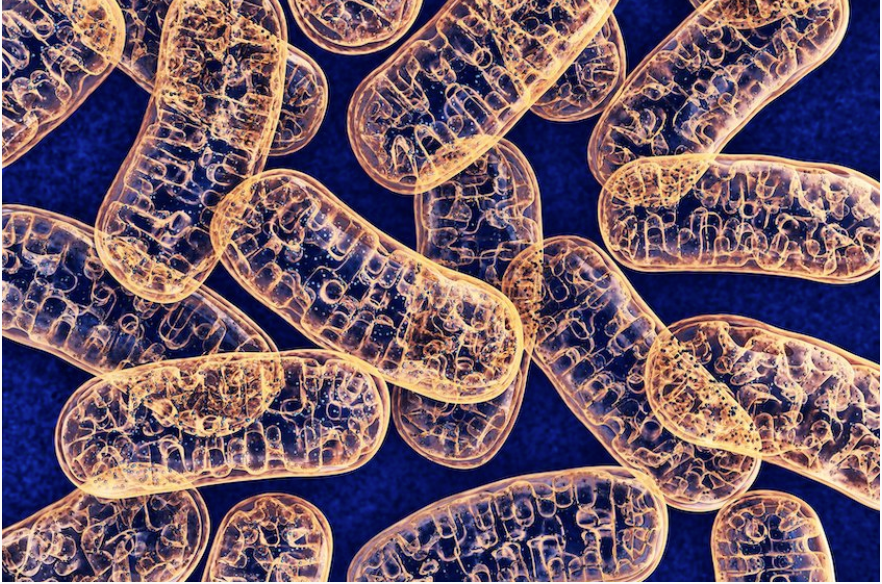
The comprehensive Metabolics report presents the genes that can powerfully influence key pathways driving human metabolism. It incorporates over 40 genes and 50 SNPs across 6 pathways, including appetite regulation, nutrient sensing, sugar and fat metabolism, cholesterol and bile, mitochondria and inflammation.

Hormones Report

Steroid hormones are a group of hormones derived from cholesterol including progesterone, oestrogen, testosterone, DHEA, and cortisol (and their derivatives). They are involved in the regulation of many physiological processes in both men and women, such as the development and function of the reproductive system, metabolism, inflammation and immune system. Steroid hormones are generally carried in the blood, bound to specific carrier proteins. Further metabolism and catabolism occurs in the liver, in other peripheral tissues, and in target tissues. 

Symptoms of steroid hormone imbalance can affect men and women, and include: infertility, low libido and sex drive, low sperm count, acne, excess facial hair in women, PCOS, blood clots, mood swings, depression, substance misuse, poor memory, weight gain (belly fat for men), breast appearances in men, and hormone sensitive cancers, such as breast cancer or prostate cancer.

The Hormones test analyses genes involved in the regulation, synthesis, signalling, transport and metabolism of corticosteroids and sex steroids hormones. It looks at how gene variants affects hormones imbalance and details the nutrients and environmental factors that can influence and improve their balance. The Hormones report is recommended for men and women with hormone imbalance symptoms such as the ones listed above.

Collapsible content

Methylation Report

Methylation is the process of adding methyl groups, consisting of one carbon and three hydrogen atoms, to other molecules. It is involved in almost every metabolic process in the body, occurring billions of times every second in our cells and contributing to numerous crucial functions.

Imbalances in methylation - too little or too much - can increase susceptibility to chronic health conditions such as heart disease, circulatory problems, chronic fatigue, infertility, immune and autoimmune conditions, food and chemical sensitivities, and mood and psychiatric disorders, as well as cancer and premature ageing.

The Methylation test examines genes involved in five sub-cycles - folate, methionine, neurotransmitter, transsulphuration and urea. Genetic results will inform whether someone is likely to be poor or overly efficient at processing cofactors - B6, B9 (folate) and B12 (cobalamin), methionine, betaine, choline, zinc and magnesium; and inhibitors - chemicals, moulds, drugs, hormones and heavy metals and provide guidance on how to support or bypass bottlenecks or weaknesses

Histamine Intolerance Report

Histamine has many functions: as a neurotransmitter, communicating messages to and from the brain and nervous system; triggering the release of stomach acid to help digestion; and it can also be released after stress, injury or allergic reaction as part of the body’s immune response.

Histamine intolerance is the body’s reaction to an imbalance between accumulated histamine and the capacity to break it down. When the body is unable to break histamine down quickly enough it becomes toxic. Symptoms of histamine toxicity may include skin irritation or breathing difficulties (mimicking an allergic reaction), digestive problems, headaches, insomnia and anxiety.

The Histamine Intolerance test analyses the genes and nutrients needed to breakdown and remove histamine, showing where disruptions occur and how to support optimal function. Diamine oxidase (DAO), which primarily breaks down histamine in the gut, can be impaired by gastrointestinal disease or ‘blockers’ such as alcohol, smoked or fermented foods, black tea, green tea and some medications such as non steroidal anti-inflammatory medications (ibuprofen or aspirin). Insufficient histamine-n-methyl- transferase (HNMT) in the nervous system and lungs can also lead to histamine overload.

Detoxification Report

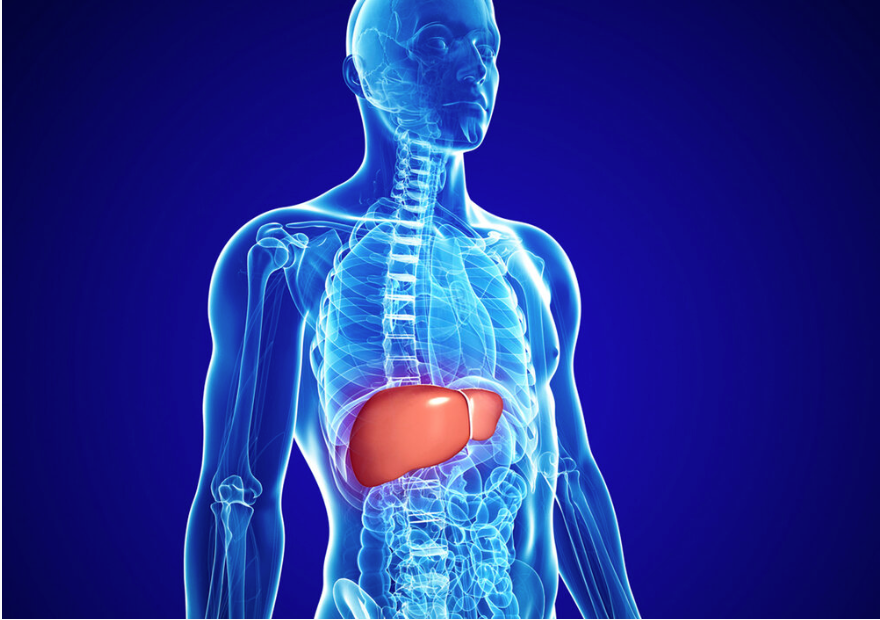
Detoxification is the physiological removal of toxic substances from the human body. It is mainly carried out by the liver, and to a lesser extent the small intestine, kidneys and lungs. Substances such as nutrients, food additives, pesticides, medications, air pollutants, alcohol and hormones are transformed from being fat-soluble to water-soluble, allowing them to be more easily excreted from the body. The process occurs in two major phases: Phase I primes toxic molecules for deactivation and Phase II finishes the deactivation and prepares for elimination.

Poor detoxification can cause symptoms such as headaches, muscle aches, fatigue, allergies, skin disorders, weight gain, bloating, acid reflux and heartburn, excessive sweating, chronic infections, subfertility, low libido, poor mental function and low stress tolerance.

The Detoxification test examines genes which impact Phase I reactions in the liver, including the cytochrome P450 oxidases, Phase II conjugation, including the UDP-glucuronosyltransferases (UGTs) and glutathione S-transferases (GSTs) and the Phase III antiporter gene ABCB1, which affects the transport of medicines and other substances into and out of cells. It also include genes that help to neutralise ROS - due to toxic intermediates (generated in Phase 1). The report identifies personalised nutritional support required to optimise detoxification.

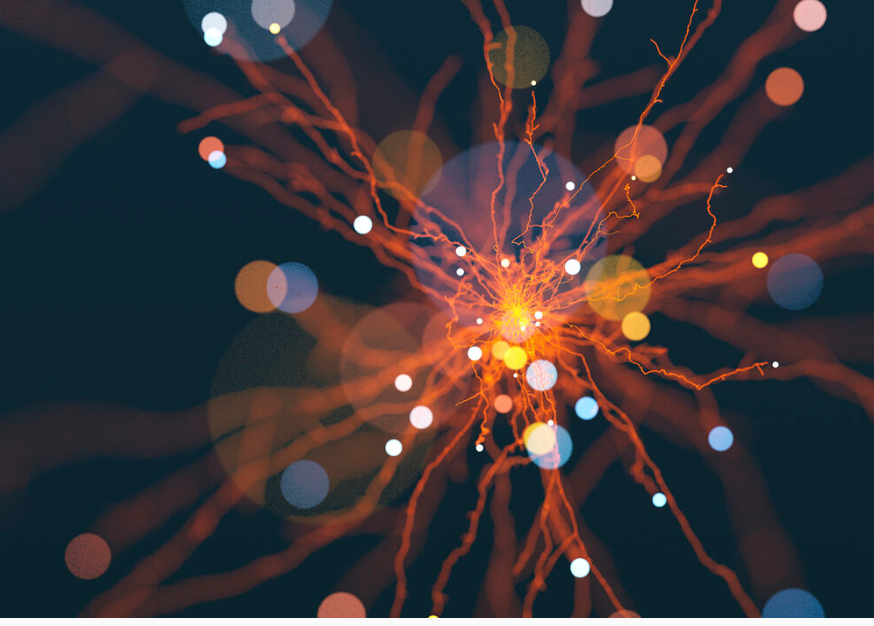
Nervous System Report

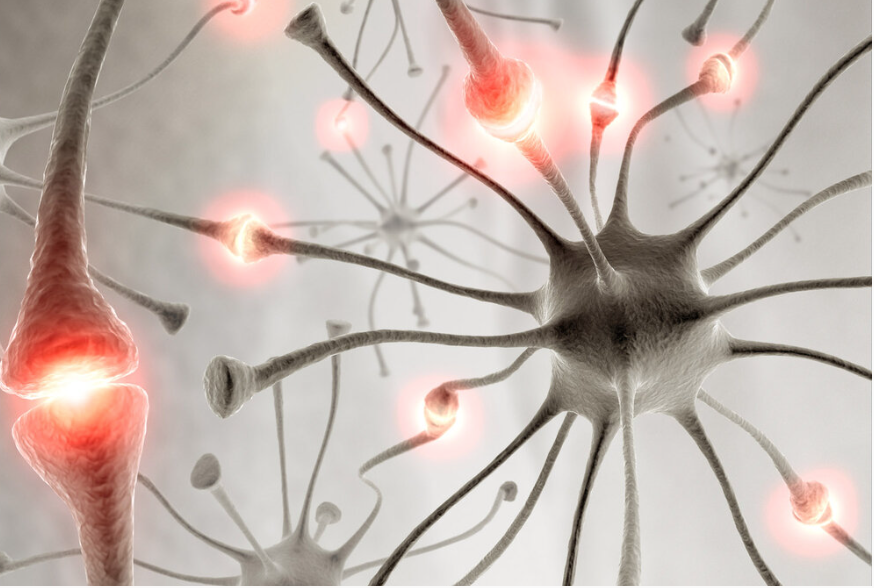
The nervous system supports the transmission of messages around the mind and body, enabling an individual to respond to their environment. A neurotransmitter is a molecule that carries signals between neurons and across nerve junctions (synapses). Excitatory neurotransmitters increase the likelihood a neuron will fire a signal, while inhibitory neurotransmitters have the opposite effect. In order for us to interact effectively with our environment these must remain in balance.

Symptoms of neurotransmitter imbalance can include: mood imbalances, depression, mania, attention deficit and obsessive compulsive disorders, addictive behaviours, motor control disruption, anger, aggression and restlessness.

It analyses gene variants that impact serotonin (contentment) and melatonin (sleep), dopamine (motivation), noradrenaline and adrenaline (fight or flight); glutamate (the major excitatory neurotransmitter); GABA (the major inhibitory neurotransmitter) which is critical for relaxation; and endoCannabinoids (AEA/ anandamide) which regulate other neurotransmitters. The report provides detailed recommendations for nutritional support to alleviate symptoms and to optimise mental health.

Collapsible content

APOE Report

The Apolipoprotein E (APOE) gene is best known for its role in lipid (fat) metabolism by helping to remove cholesterol from the bloodstream. It can exist in three main forms known as E2, E3 and E4.

The E4 form of the APOE gene has been associated with increased plasma cholesterol and triglycerides and susceptibility to cardiovascular disease - heart attacks or strokes due to atherosclerosis, insulin resistance and Alzheimer’s disease. However, having an E4 genotype is one of many risk factors and does not mean you will develop any of these conditions.

In addition to APOE, this test examines genes involved in methylation, inflammation, toxicity and neuroprotection, to enable individuals to take preventative action by adopting personalised nutrition and lifestyle changes to optimise their future, long term health.

Thyroid Balance Report

The thyroid is an endocrine gland in the neck that produces two thyroid hormones - triiodothyronine (T3) and thyroxine (T4), and calcitonin. Thyroid hormones control the metabolism of almost every cell in the body, with wide-ranging metabolic, developmental and cardiovascular effects. Thyroid activity is altered by genetics and environmental factors: nutrients (tyrosine, selenium and iodine), toxins (fluoride, chlorine or moulds), psychosocial or physical stressors, bacteria and viruses. Imbalance can result in HPT axis (Hypothalamus-Pituitary-Thyroid) dysfunction, autoimmune thyroid diseases (AITDs) such as Graves’ and Hashimoto’s, thyroid sensitive cancers (although rare), and impact transport, activation and response to thyroid hormones. Deficiency or excess of thyroid hormones can result in many different symptoms. Hypothyroidism (under activity) can cause weight gain, fatigue, low libido, cold intolerance, dry skin, constipation and depression. Symptoms of hyperthyroidism (over activity) include anxiety, heat intolerance, heart palpitations, insomnia and weight loss. The Thyroid Balance report analyses the genes involved in the thyroid hormone lifecycle: synthesis - centrally (in the thyroid) and in activation in peripheral tissues, transport and metabolism, processing of cofactors (vitamins D and A) and inhibitors (stress and toxins). It also examines genes that confer susceptibility to inflammation and autoimmunity.
Athlete Report

DNA sequencing has opened the door to personalised approaches to health and fitness, enabling a more intelligent approach to training, recovery and performance.
In this report, we present elements of your unique DNA profile that have been shown to affect athletic performance.

Topics

The personalised genetic results are grouped into three topic areas:

Train - tailor a programme that will be most effective for you to support cardio-vascular adaption, strategic fuelling and structural strength

Recover - build resilience and reduce your risk of injury and illness by controlling inflammation, reducing oxidative stress and optimising sleep

Perform - balance stress and stimulation when it matters most - to achieve your personal best

🧪 What You’ll Get

  • Lifecode Gx DNA Test Kit – simple cheek swab, done at home
  • Comprehensive Gene Report – easy-to-understand insights on key health pathways
  • Personalised Consultation (60 minutes) – one-to-one session where we review your results and create your tailored plan
  • Action Steps & Recommendations – diet, supplements, and lifestyle tweaks based on your unique genes

FAQs

How do I know which report I need?

Contact me and I'll advise which reports will be best for you.

Who can do the reports?

Anyone! They're for women, men and children.

Anyone who wants to know more about their health. Especially if you have a particular condition and you're not feeling better despite being on medication.

How do I do the test?

The DNA test is a simple, non-invasive mouth swab that is easy to do at home.

Just remember to abstain from eating/drinking for at least 1 hour before testing, to ensure the sample is not contaminated with food.

You rub the swab firmly against the inside of your cheek for 1 minute.

Then place the swab back into it's container, sign the consent form and place everything in the packaging provided for return.

Is the test affected by medication?

No. It is not affected by medication, supplements, dietary requirements or pregnancy.

How safe is my data?

Your data is confidential and will be kept securely.

Your sample is anonymous and identified by a bar code.

Your data - including personal data, raw genetic data and reports - is not, and will not be shared or sold to any third party.

Data is destroyed 6 months after analysis.